
Cash out explained: when it helps, when it costs you, and why your network matters
Eight games landed, one to go, and the site is offering you a cash-out amount. Take it or ride it? Here is how cash out actually works, and why the offer is never as generous as it looks.
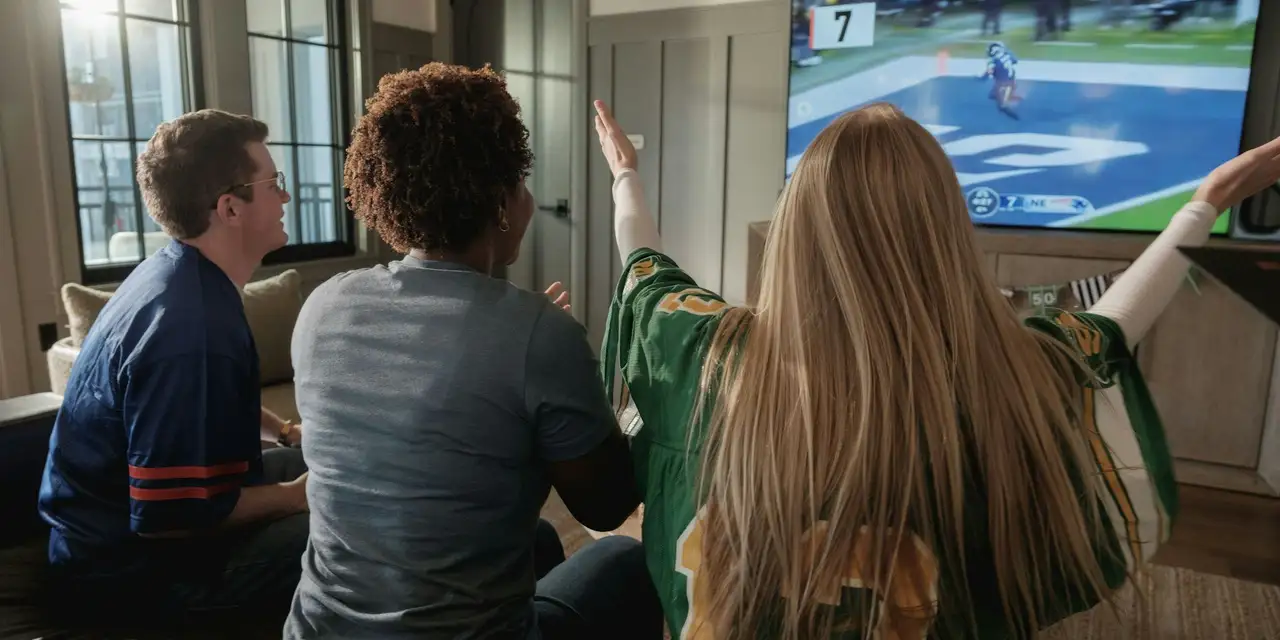
Every Nigerian bettor knows the feeling. Eight games have landed. The last one kicks off at 8pm. Your phone shows a cash-out offer that is less than half the potential win, and the whole viewing centre has an opinion about what you should do.
Here is how cash out actually works, so the decision is yours and not the crowd’s.
What cash out is
Cash out lets you settle a bet before all the results are in. The site offers you an amount based on what has happened so far and what is still to come. Accept it and the bet is closed, win or lose, whatever happens next.
Why the offer is always lower than your potential win
The cash-out amount is the bookmaker’s price for taking the remaining risk off your hands, minus its margin. If your last selection has a 70% chance of winning, you will not be offered 70% of your potential win. You will be offered less.
That gap is the cost of certainty. Over time, people who cash out often tend to give away more than they protect.
Partial cash out
Some sites let you cash out part of your stake and leave the rest running. It is a middle ground: you lock in something, and keep a smaller chance at the full return.
When cash out disappears
You tap the button and nothing happens. Usually the market has been suspended:
- straight after a goal or a red card
- during a penalty or a VAR check
- when the price is moving too quickly
Some markets never offer cash out at all, so check before you place the bet.
Network wahala
During live betting, prices change every few seconds. If MTN, Glo or Airtel picks the 88th minute to drop your connection, the offer you saw may be gone by the time you reconnect, or the market may be suspended. If you plan to use cash out, do it on a stable connection, and never assume you will be able to cash out at the last minute.
When cash out can make sense
- Your situation has genuinely changed. For example, the team you backed loses its goalkeeper to a red card.
- You set a rule before kick-off. “If eight land and the offer is above ₦X, I will take it.” Deciding calmly beats deciding in a panic.
- You are over your comfort level. If the potential win has become money you would be devastated to lose, taking a guaranteed smaller amount is a reasonable choice.
When it usually costs you
- Cashing out out of nerves on almost every bet.
- Cashing out early in a match when nothing has changed.
- Using the cashed-out money to immediately place another bet. That is chasing, just in a different shirt.
For more on why long tickets are so hard to land in the first place, read football accumulators explained. And whatever you decide at 8pm, set your budget before the first game kicks off. Our guide to setting limits shows how.
Keep reading
Explore more from our guides hub.
Frequently asked questions
Why is my cash-out offer lower than my potential win?
Because the bookmaker prices the offer on the remaining risk and adds its own margin. You are paid for certainty, and that certainty costs you money.
Why does cash out disappear during a match?
Sites suspend cash out during dangerous moments such as a penalty, a VAR check or straight after a goal, and on some markets it is never available.
Is cash out always a bad idea?
Not always. It can make sense when your situation has changed, for example a key player is sent off, but deciding your rule before kick-off works better than panicking in the 85th minute.
What did we miss?
Got a question we did not answer, or a tip from your own experience? Tell our editors.
Sources and corrections
This piece draws on the author's own testing and the editorial standards set out in our review methodology.
Spotted an error or something out of date? Report a correction. We review every report and log changes under our corrections policy.



Join the conversation
Share your take below. Please keep it respectful: no links, contact details, betting codes, promotions or spam.
Be the first to share your take.